Calories in Alcohol: How Many in Beer, Wine and Spirits?
By the DietX team · Updated · 6 min read
The calories in alcohol come to 7 kcal per gram, according to the FAO, which is well above protein and carbs at 4 kcal per gram and not far below fat at 9. That makes one US standard drink, about 14 g of pure alcohol, roughly 98 kcal from the alcohol alone. The NHS puts a 175 ml glass of 12% wine at up to 158 kcal and a pint of 5% beer at up to 222 kcal.
How many calories are in alcohol?
| Drink | Amount | Calories | Source |
|---|---|---|---|
| Any drink, alcohol only | 14 g alcohol | about 98 kcal | NIAAA, FAO |
| Wine, 12% | 175 ml | up to 158 kcal | NHS |
| Beer, 5% | 568 ml (UK pint) | up to 222 kcal | NHS |
| Regular beer | 100 g | 43 kcal | USDA |
| Spirits, 80 proof | 100 g | 231 kcal | USDA |
How many calories in a beer?
The USDA lists regular beer at 43 kcal per 100 g, and beer weighs about the same as water. So:
- A 12 oz can (about 355 g) comes to about 153 kcal.
- A 568 ml UK pint of 5% beer is up to 222 kcal, by the NHS figure.
- A 473 ml US pint at that same rate is up to about 185 kcal.
The two sources don't match exactly. The NHS figure works out to about 39 kcal per 100 ml, a little below the USDA's 43 kcal per 100 g. Beers differ, so if there's a label or a menu figure, use that.
How many calories in wine?
Scaling the NHS figure of up to 158 kcal for 175 ml of 12% wine (about 90 kcal per 100 ml) gives you this:
| Amount of 12% wine | Calories, up to about |
|---|---|
| 125 ml | 113 kcal |
| 175 ml | 158 kcal |
| 250 ml | 226 kcal |
| 750 ml bottle | 677 kcal |
Those are scaled estimates. Stronger wine has more alcohol and so more calories, and so does a generous pour. If you drink at home, measuring one glass with water just once can be an eye-opener.
Calories in spirits
The USDA lists 80-proof spirits at 231 kcal per 100 g, with no protein, carbs or fat. All of that comes from the alcohol: 231 ÷ 7 = 33 g of alcohol per 100 g. So one standard drink of 14 g is about 42 g of spirits, roughly a 1.5 oz US shot, at about 98 kcal. The spirit itself is the simple part. What you mix it with is where the numbers change.
Mixers and cocktails
Calories in a mixed drink are the spirit plus whatever else goes in the glass.
- Soda water and diet mixers add little or nothing.
- Regular soda, tonic and juice add sugar. Sugar is a carbohydrate at 4 kcal per gram, so check the label: every 10 g of sugar adds 40 kcal. A single shot with a mixer holding 25 g of sugar comes to about 198 kcal (98 + 100).
- Cocktails can hold more than one shot plus syrup, juice or cream. Two shots alone are about 196 kcal before anything else goes in, so treat a sweet or creamy cocktail as a snack in its own right.
Work it out for any drink
For the alcohol part of any drink, you need its volume and its strength, shown on the label as ABV (alcohol by volume). Pure alcohol weighs about 0.8 g per ml, so with ABV written as a decimal (12% = 0.12):
ml × ABV × 0.8 × 7 = kcal from alcohol
| Drink | Sum | From alcohol | NHS total, up to |
|---|---|---|---|
| 175 ml wine at 12% | 175 × 0.12 × 0.8 × 7 | about 118 kcal | 158 kcal |
| 568 ml beer at 5% | 568 × 0.05 × 0.8 × 7 | about 159 kcal | 222 kcal |
The gap between the two columns is about 40 kcal for the wine and about 63 kcal for the beer, mostly leftover carbs. So this sum gives you a floor, and sweeter drinks sit further above it.
How alcohol fits into a calorie deficit
A drink can fit into a calorie deficit if you count it, because the deficit is an average over the week. It's the totals that catch people off guard:
| Over a weekend | Total | Averaged over 7 days |
|---|---|---|
| 6 glasses of 175 ml wine | up to 948 kcal | up to about 135 kcal a day |
| 4 pints of 5% beer | up to 888 kcal | up to about 127 kcal a day |
| 6 pints of 5% beer | up to 1,332 kcal | up to about 190 kcal a day |
Against a 400 kcal daily deficit, six glasses of wine use up about a third of it. Six pints use up nearly half, or more than three days of that deficit. If your weight has stalled, this is worth checking first, along with the other items on our list of calorie tracking mistakes.
Some ways to bring the number down:
- Choose the smaller glass. Going from 175 ml to 125 ml saves up to about 45 kcal a time.
- Pick a lower strength. Less alcohol means fewer calories.
- Alternate with water. It slows your pace and costs nothing.
- Plan for food afterward. Late-night food is often the bigger number, and it's easy to forget to log.
Please don't skip meals to "save" calories for drinks. Alcohol hits harder on an empty stomach, and very low intake during the day isn't a healthy trade. Calorie counting isn't for everyone, and if you're pregnant, take medication or have a medical condition, ask a doctor about alcohol and about changing your diet.
How to log alcohol
Log each drink when it's poured, because the count gets hazy later. Note three things: the volume, the strength and what's mixed in.
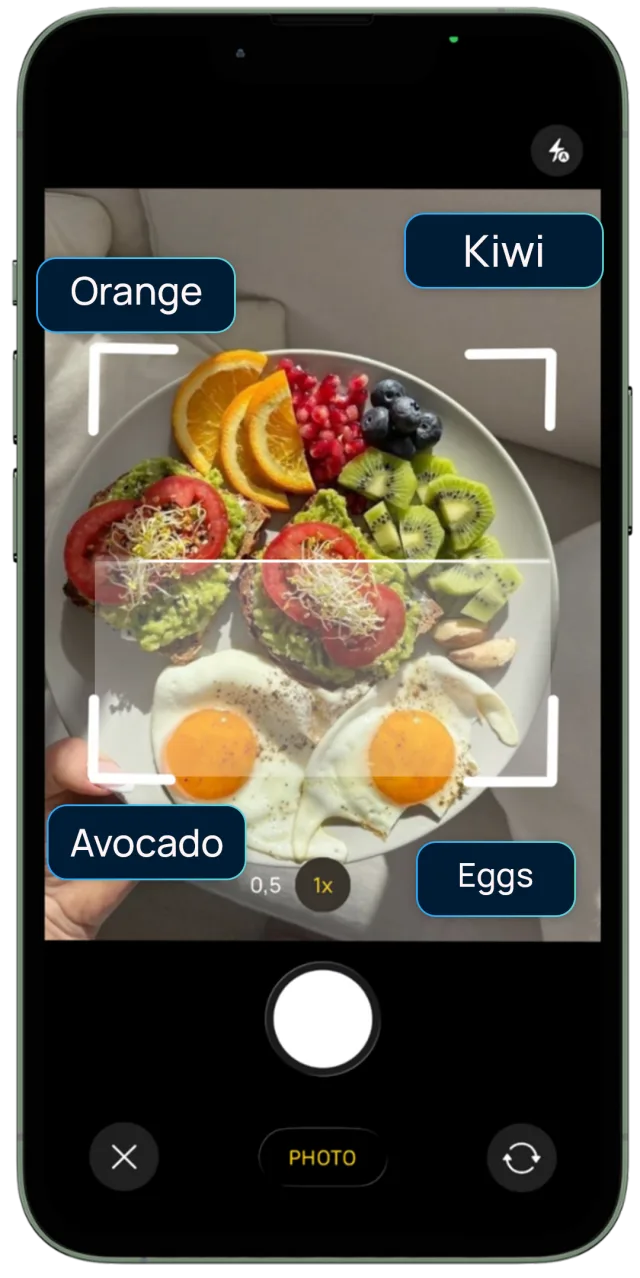
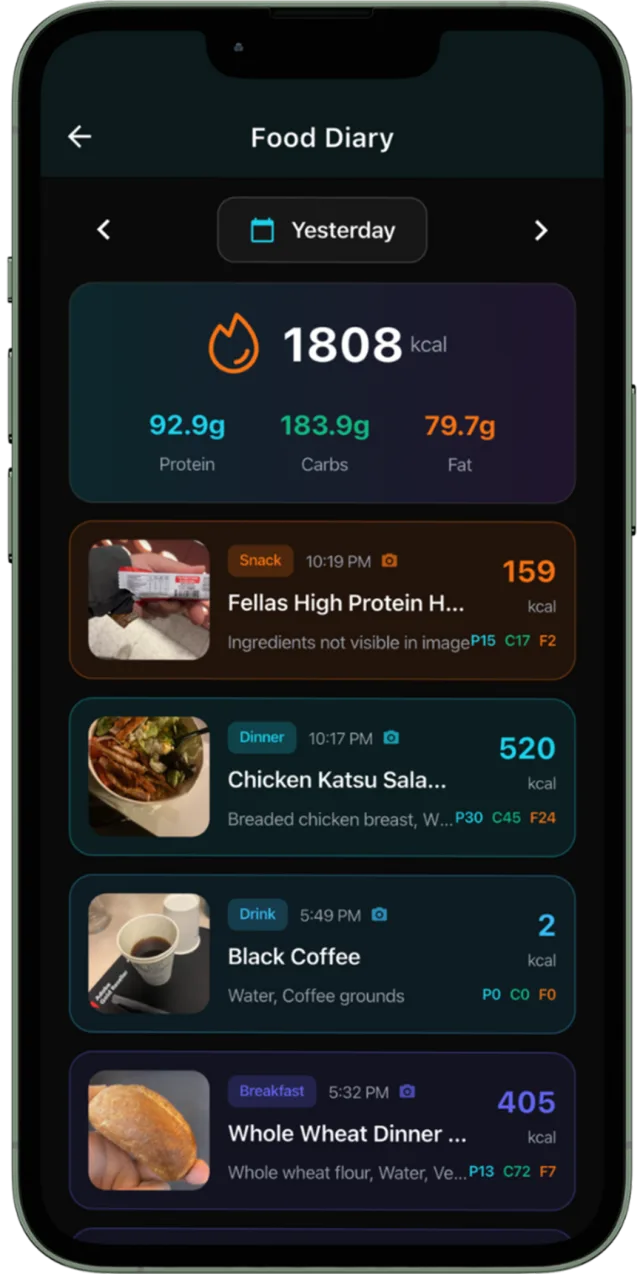
A photo can show a glass, but it can't tell you the strength or what's in the mix, so words work better here. In DietX you can type or say "two 175 ml glasses of 12% red wine" or "one pint of 5% lager", then edit the result before saving. Estimates can vary, so compare them with the figures above. The app is free to download with a free trial, and Premium is a subscription.
If you track macros, don't be surprised when your numbers don't add up. Alcohol isn't protein, carbs or fat, so its calories sit outside your macro split. A common workaround is to count them as carbs or fat instead: 98 kcal is about 24.5 g of carbs (98 ÷ 4) or about 10.9 g of fat (98 ÷ 9).
When you're out, ask for what's on the menu, since many places list glass sizes and strengths. Our guide to counting calories when eating out covers the food side of the same evening.
Frequently asked questions
How many calories are in a beer?
A 12 oz can of regular beer has about 153 kcal, based on the USDA figure of 43 kcal per 100 g. The NHS puts a 568 ml pint of 5% beer at up to 222 kcal. Strength and recipe make a difference, so check the label if you can.
How many calories are in a glass of wine?
The NHS puts a 175 ml glass of 12% wine at up to 158 kcal. Scaled from that, a 125 ml glass is up to about 113 kcal and a 250 ml glass up to about 226 kcal. Stronger wine has more.
How many calories are in a shot of vodka or whiskey?
A shot of 80-proof spirits holding one US standard drink, about 14 g of alcohol, has about 98 kcal. Mixers are counted on top. Soda water adds little or nothing, while regular soda and juice add sugar at 4 kcal per gram.
Does alcohol stop you losing weight?
Its calories count toward your total like any others, so regular drinking can use up a good part of a calorie deficit. Six 175 ml glasses of wine in a weekend can come to 948 kcal. Drinks can fit if you log them and the weekly total still leaves a deficit.
Is alcohol a carb?
No. Alcohol is its own energy source at 7 kcal per gram. Drinks can also contain carbs, which is why beer and sweet mixed drinks have more calories than the alcohol alone explains.
Sources
- FAO: Food energy, methods of analysis and conversion factors
- NIAAA: What is a standard drink?
- NHS: Calories in alcohol
- USDA FoodData Central (SR Legacy)
General information, not medical advice. Talk to a doctor or dietitian before changing your diet, especially if you are pregnant, under 18 or have a health condition. If tracking food makes you anxious or you have a history of disordered eating, please skip calorie counting and ask a professional for support.