Meal Plan for Weight Loss: Build Yours, With a 1,500 kcal Example
By the DietX team · Updated · 7 min read
A meal plan for weight loss starts from your own calorie target, sets protein first, adds vegetables, then fills the rest with carbs and fat. Below is a sample day at about 1,500 kcal with about 110 g of protein, with every food in grams. That 1,500 kcal is an example and not a recommendation: the right number for you depends on your body and how much you move.
Why 1,500 kcal may not be your number
Take the two people from our guide to how many calories you need a day. For a woman who maintains on about 1,920 kcal, a 1,500 kcal day is a deficit of 420 kcal, which is reasonable. For a man who maintains on about 2,800 kcal, it's a deficit of 1,300 kcal, which is far too much.
So find your own target first. Our guide to the calorie deficit shows how to subtract a sensible 300 to 500 kcal from your maintenance calories. Then adjust the plan below to fit.
How to build a meal plan for weight loss
Step 1: choose your protein
Start here because protein is the hardest part to fit in late in the day. In shorter controlled trials, higher-protein diets led to more weight and fat loss and more lean mass kept, with a modest effect on fullness, though long-term results depend on sticking with the diet. For people who exercise, 1.4 to 2.0 g per kg a day is enough for most. Our guide to how much protein per day has a table by weight, and our list of high protein foods ranks your options by calorie cost.
Split the total across your meals, and pick one main protein food for each.
Step 2: add vegetables and fruit
They take up room on the plate and add fiber for few calories. The WHO advises at least 400 g of fruit and vegetables and 25 g of fiber a day, so use those as your check. Half a plate of vegetables at lunch and dinner gets you most of the way.
Step 3: add carbs
Rice, potatoes, oats, pasta, beans and bread fill the space that's left. Choose the portion by what your target allows, and weigh it the way the entry says: white rice is 365 kcal per 100 g raw and 130 kcal cooked.
Step 4: add fat, and measure it
Oil, butter, nuts and avocado are the easiest place for calories to slip in unnoticed. One tablespoon of olive oil is about 13.5 g, or about 120 kcal. Decide on the amount and measure it, at least at first.
A sample 1,500 calorie meal plan
These are USDA values for the prepared state shown: oats dry, rice cooked, meat and fish cooked. All protein, carbs and fat are in grams.
Breakfast: oats with yogurt and banana
| Food | Amount | Calories | Protein | Carbs | Fat |
|---|---|---|---|---|---|
| Oats, dry | 50 g | 195 | 8.5 | 33.2 | 3.5 |
| Milk, 1% | 100 g | 42 | 3.4 | 5.0 | 1.0 |
| Greek yogurt, plain nonfat | 200 g | 118 | 20.4 | 7.2 | 0.8 |
| Banana | 100 g | 89 | 1.1 | 22.8 | 0.3 |
| Breakfast total | 444 | 33.4 | 68.2 | 5.6 |
Lunch: chicken, rice and broccoli
| Food | Amount | Calories | Protein | Carbs | Fat |
|---|---|---|---|---|---|
| Chicken breast, roasted | 100 g | 165 | 31.0 | 0 | 3.6 |
| White rice, cooked | 100 g | 130 | 2.7 | 28.2 | 0.3 |
| Broccoli, boiled | 200 g | 70 | 4.8 | 14.4 | 0.8 |
| Olive oil | 5 g | 44 | 0 | 0 | 5.0 |
| Lunch total | 409 | 38.5 | 42.6 | 9.7 |
Snack: apple and almonds
| Food | Amount | Calories | Protein | Carbs | Fat |
|---|---|---|---|---|---|
| Apple | 100 g | 52 | 0.3 | 13.8 | 0.2 |
| Almonds, dry roasted | 20 g | 120 | 4.2 | 4.2 | 10.5 |
| Snack total | 172 | 4.5 | 18.0 | 10.7 |
Dinner: salmon, sweet potato and salad
| Food | Amount | Calories | Protein | Carbs | Fat |
|---|---|---|---|---|---|
| Salmon, farmed Atlantic, cooked | 120 g | 247 | 26.5 | 0 | 14.9 |
| Sweet potato, baked | 160 g | 144 | 3.2 | 33.1 | 0.3 |
| Spinach, raw | 100 g | 23 | 2.9 | 3.6 | 0.4 |
| Tomato | 100 g | 18 | 0.9 | 3.9 | 0.2 |
| Olive oil | 5 g | 44 | 0 | 0 | 5.0 |
| Dinner total | 476 | 33.5 | 40.6 | 20.8 |
The full day
| Meal | Calories | Protein | Carbs | Fat |
|---|---|---|---|---|
| Breakfast | 444 | 33.4 | 68.2 | 5.6 |
| Lunch | 409 | 38.5 | 42.6 | 9.7 |
| Snack | 172 | 4.5 | 18.0 | 10.7 |
| Dinner | 476 | 33.5 | 40.6 | 20.8 |
| Day total | 1,501 kcal | 109.9 g | 169.4 g | 46.8 g |
That's about 29% of calories from protein, 45% from carbs and 28% from fat, all within the usual adult ranges. The day also has about 28 g of fiber and 600 g of fruit and vegetables, above the WHO's guides. The shares add up to slightly over 100% because USDA calorie figures don't match the general 4/4/9 values exactly. How to track macros explains those values.
How to adjust the plan to your target
You don't need a new plan for a new number. Change the portions and keep the structure.
To eat more, add a snack or larger carb portions. For example, 50 g of whole-wheat bread with 30 g of peanut butter adds about 305 kcal and 12.9 g of protein, taking the day to about 1,800 kcal.
To eat less, trim fats and carbs before protein and vegetables, and stay above about 1,200 kcal.
To change the foods, swap within a group. Here's what happens to the numbers:
| Swap | Calories | Protein |
|---|---|---|
| 100 g chicken breast → 100 g turkey breast | 165 → 147 | 31.0 → 30.1 g |
| 100 g chicken breast → 180 g firm tofu | 165 → 259 | 31.0 → 31.1 g |
| 120 g salmon → 140 g canned tuna in water | 247 → 120 | 26.5 → 27.2 g |
| 120 g salmon → 150 g firm tofu | 247 → 216 | 26.5 → 26.0 g |
| 100 g cooked rice → 110 g cooked quinoa | 130 → 132 | 2.7 → 4.8 g |
For a full plan without meat or dairy, see vegan and vegetarian calorie tracking.
Making a meal plan last past the first week
A plan on paper only helps if you can live with it.
- Repeat meals. One or two breakfasts and lunches on rotation cut down on planning and logging.
- Cook once, eat twice. Make extra rice, chicken or lentils at dinner for tomorrow's lunch.
- Leave room. Keep one flexible meal or snack so a dinner out doesn't feel like failure, and use our guide to counting calories when eating out when it happens.
- Watch for ultra-processed swaps. In a small, short, tightly controlled study of 20 adults, people ate 508 kcal a day more on an ultra-processed diet than on a less processed one, with the meals offered matched for calories and macros.
- Judge it by the trend. Follow your weekly average weight for two to three weeks before you change anything, because day-to-day weight jumps are normal.
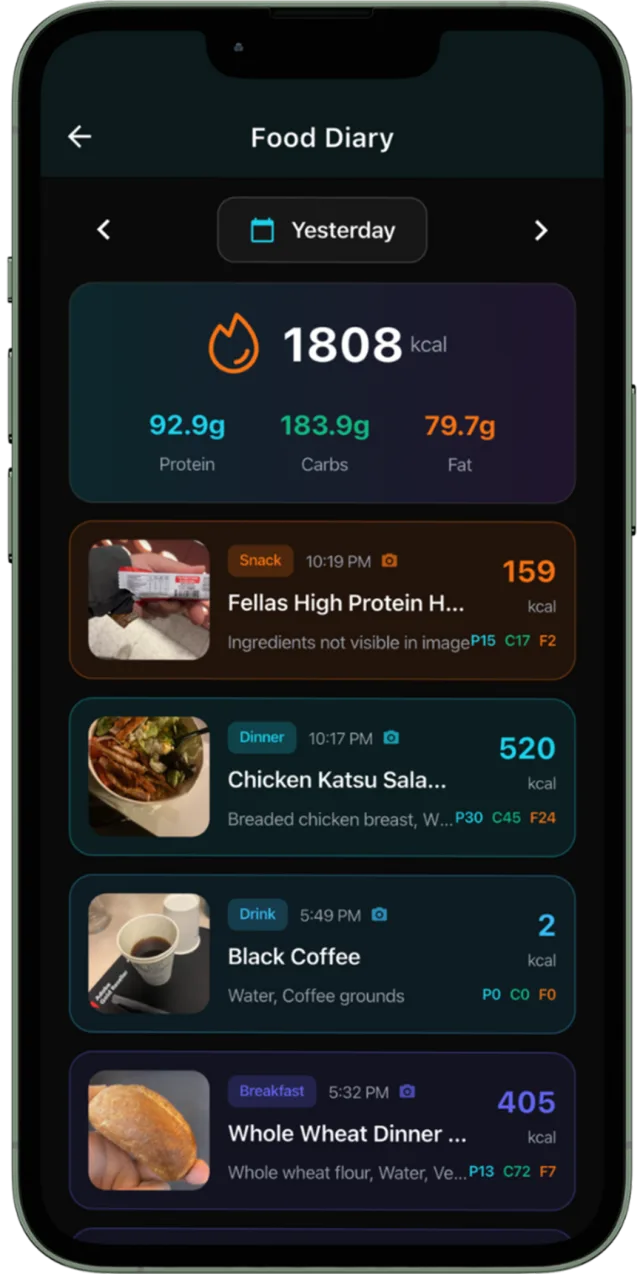
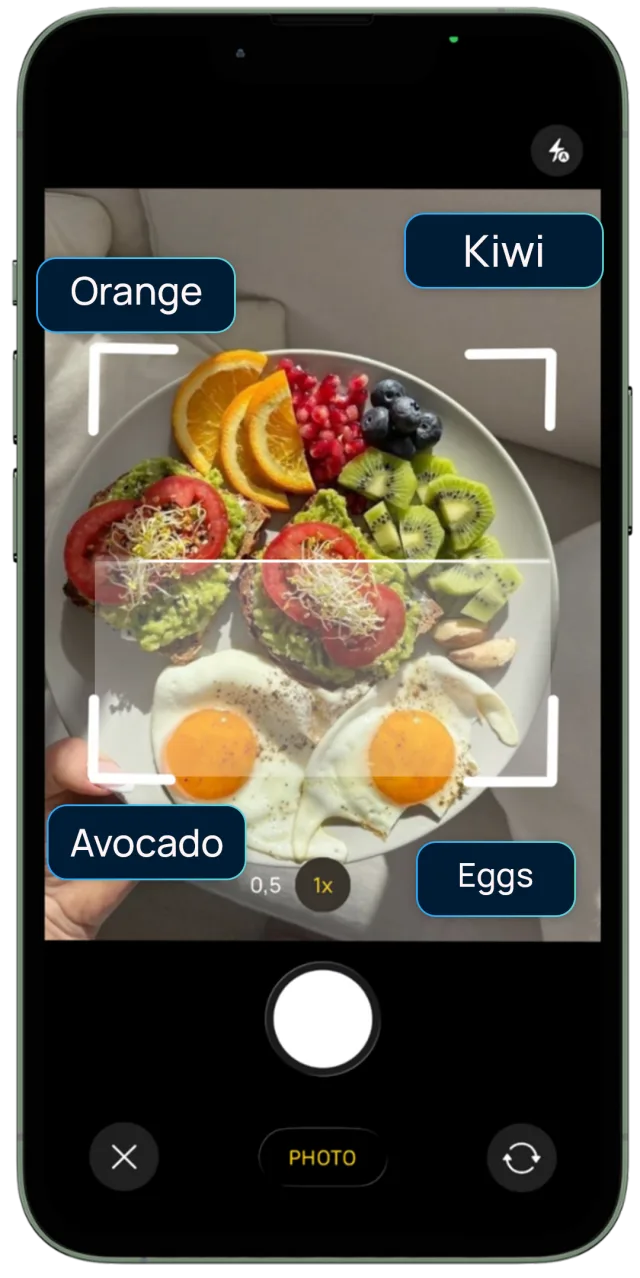
If you'd rather not build this by hand, DietX creates personal meal plans and recipes that fit your goal, taking vegetarian, vegan and other preferences into account, and its AI Cook finds recipes from YouTube. You can then log what you really eat by photo, description, voice or barcode. It's free to download with a free trial, and Premium is a subscription.
Frequently asked questions
Is a 1,500 calorie meal plan good for weight loss?
It depends on your body and how much you move. For someone who maintains on about 1,920 kcal, it is a moderate deficit. For someone who maintains on about 2,800 kcal, it is far too low. Work out your own target first, and results vary.
What should I eat in a calorie deficit?
Build meals around a protein food and plenty of vegetables, then add carbs and measured fats to fit your target. Aim for at least 400 g of fruit and vegetables and 25 g of fiber a day. No food is off limits if your total fits.
How much protein should a weight loss meal plan have?
If you exercise, 1.4 to 2.0 g per kg of body weight a day is enough for most people. The sample day here has about 110 g, which suits someone of about 55 to 78 kg at that range.
Do I have to follow a meal plan exactly?
No. Treat it as a template. Swap foods within a group, repeat meals you like and keep room for meals out. What matters is the weekly trend, not one perfect day.
How do I make this meal plan vegetarian?
Swap the chicken for about 180 g of firm tofu and the salmon for about 150 g of firm tofu. Protein stays about the same. For a vegan version, also replace the yogurt and milk with soy-based options, and check their labels, since protein varies.
Sources
- NHS: Eating disorders
- Leidy et al. (2015), Am J Clin Nutr: The role of protein in weight loss and maintenance
- Jäger et al. (2017), J Int Soc Sports Nutr: ISSN position stand on protein and exercise
- WHO: Healthy diet
- USDA FoodData Central (SR Legacy)
- National Academies: Dietary Reference Intakes for energy and macronutrients
- Hall et al. (2019), Cell Metab: Ultra-processed diets and calorie intake
General information, not medical advice. Talk to a doctor or dietitian before changing your diet, especially if you are pregnant, under 18 or have a health condition. If tracking food makes you anxious or you have a history of disordered eating, please skip calorie counting and ask a professional for support.