Intermittent Fasting and Calorie Deficit: Do Calories Count?
By the DietX team · Updated · 6 min read
Do calories count when fasting? Yes: intermittent fasting still needs a calorie deficit to bring weight down, and timing alone hasn't been shown to beat one. In a 12-month study of 139 adults with obesity on the same calorie targets, people lost 8.0 kg on average with an 8-hour eating window and 6.3 kg with calorie restriction alone, a difference that wasn't significant. A 12-week trial of 116 adults also found 16:8 no more effective than eating throughout the day.
So fasting can be a way to organize your eating, if it suits you. Below you'll find what those studies mean, a worked example, who should avoid it, and how to track it.
What is intermittent fasting?
Intermittent fasting means limiting when you eat. A well-known version is 16:8, which means 16 hours without food and an 8-hour eating window, such as noon to 8 pm. Daily windows like this are also called time-restricted eating.
Both studies here looked at daily eating windows. Neither one is about fasting for days at a time, which isn't something we'd suggest.
Intermittent fasting vs a calorie deficit: what the studies found
| Lowe | Liu | |
|---|---|---|
| Who | 116 adults | 139 adults with obesity |
| How long | 12 weeks | 12 months |
| Compared | 16:8 vs eating throughout the day | 8 am to 4 pm window plus calorie target vs calorie target alone |
| Calories | No difference in estimated intake | Same calorie targets |
| Result | 16:8 not more effective, lean mass lower | 8.0 kg vs 6.3 kg lost, not significant |
What "not significant" means. The gap in the 12-month study was 1.7 kg (8.0 − 6.3). Differences like that can come from chance alone, so the study can't show that the eating window made a real difference. With the same calorie targets on both sides, the calories seem to have done the work.
What the 12-week trial adds. In the 16:8 trial, estimated energy intake didn't differ between the groups, and 16:8 wasn't more effective. Lean mass, which means everything other than fat, including muscle, was lower in the fasting group. That's worth keeping in mind if you try it.
The limits. These are two studies of 116 and 139 people. The second covered adults with obesity only, and the intake in the first was estimated. They can't rule out a small benefit, and they can't tell you how you'd personally do. They just give no good reason to expect the clock to outperform your calorie total.
Do calories count when fasting?
They do. Here is one person eating three different days, with made-up meal sizes to show the arithmetic. She's the woman from our guide to daily calories, with maintenance of about 1,920 kcal and an example target of about 1,520 kcal.
| Pattern | Meals (kcal) | Total | Against maintenance |
|---|---|---|---|
| Through the day | 350, 500, 150, 520 | 1,520 kcal | 400 under |
| 16:8, planned | 650, 200, 670 | 1,520 kcal | 400 under |
| 16:8, big meals | 900, 300, 850 | 2,050 kcal | 130 over |
The first two days create the same 400 kcal deficit, or 2,800 kcal over a week if she keeps it up. The third day includes the same 16 hours without food and has no deficit at all.
Who should avoid intermittent fasting
Fasting isn't for everyone. Skip it, or get medical advice first, if any of these apply:
- You have diabetes and take medication for it.
- You're pregnant or breastfeeding.
- You have a history of an eating disorder. The NHS explains where to find support.
Under-18s and anyone with a medical condition should also talk to a professional first.
When an eating window can help, and when it can't
Going by the evidence above, the real question is whether a window makes your calorie target easier to keep.
It may suit you if a fixed stop time cuts out evening snacking, or if you've never been hungry in the morning anyway. It may not suit you if you end up very hungry by evening and overeat, if your family meals don't fit the hours, or if you train early. Trying it for a few weeks is a fair test, and it's just as fine to decide you'd rather eat breakfast. Either way, the 12-week trial saw no difference in estimated intake, so a window won't automatically lower your calories.
If you do it: how to track food in your eating window
- Set your calorie target first. A window doesn't replace one. Our guides to a calorie deficit and to counting calories cover how to get started.
- Pick hours you can keep. Choose a window that fits your work and your weekends. If hunger keeps you up at night, move it later, because short sleep can make dieting harder.
- Log everything inside the window. Fewer meals often means bigger meals, so include the cooking oil and sauces.
- Remember your drinks. Anything with calories counts toward your total and breaks the fast.
- Plan your protein. It can be harder to fit into fewer meals, and it's the part to watch given the lean mass result.
- Judge by your weekly average. Single mornings tell you little. Give it two to three weeks, and if the trend isn't moving, adjust your calories before you change your hours.
Fitting protein into a shorter window
The International Society of Sports Nutrition says 1.4 to 2.0 g of protein per kg a day is sufficient for most exercising people, which is 98 to 140 g at 70 kg. In shorter controlled trials, higher-protein diets kept more lean mass, though long-term results depend on sticking with them. Neither finding is about eating windows, so we can't say this would prevent what the 16:8 trial saw.
Here's how the numbers look for a few foods, from USDA data for the prepared state shown:
| Food and amount | Protein | Calories |
|---|---|---|
| Chicken breast, roasted, 150 g | 46.5 g | 248 kcal |
| Tofu, firm, 150 g | 26.0 g | 216 kcal |
| Greek yogurt, plain nonfat, 200 g | 20.4 g | 118 kcal |
Together, those three give about 93 g of protein for about 582 kcal. Strength work is worth including too: the WHO says adults should do it on at least 2 days a week.
Tracking fasting alongside your meals
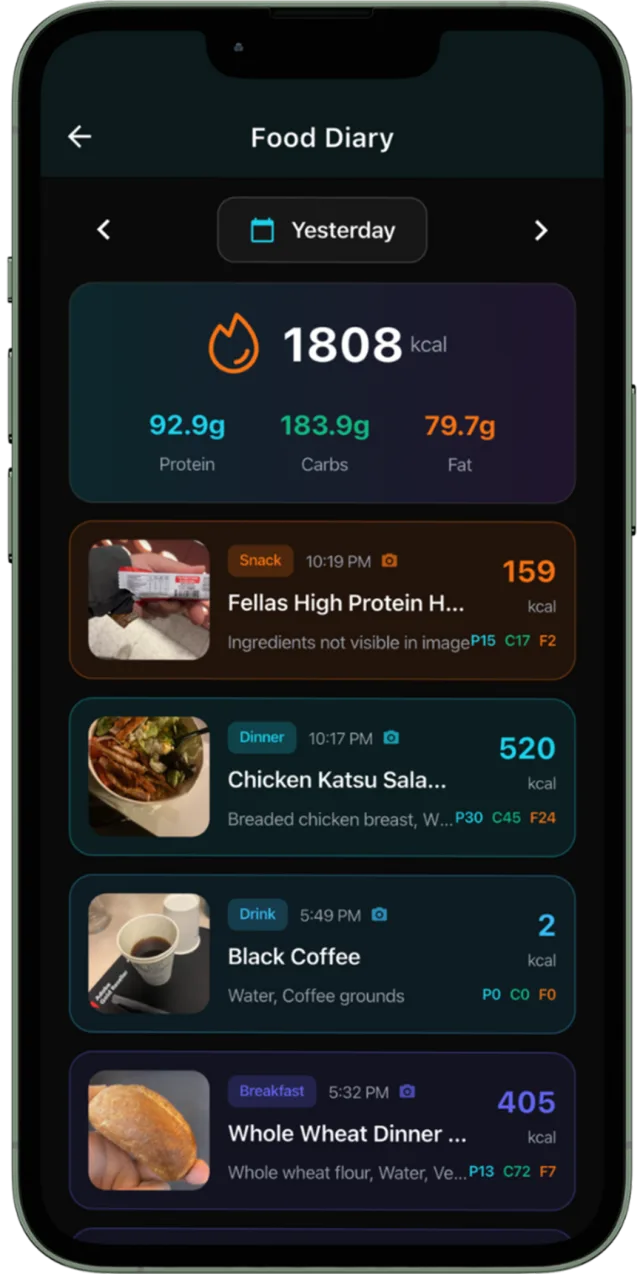
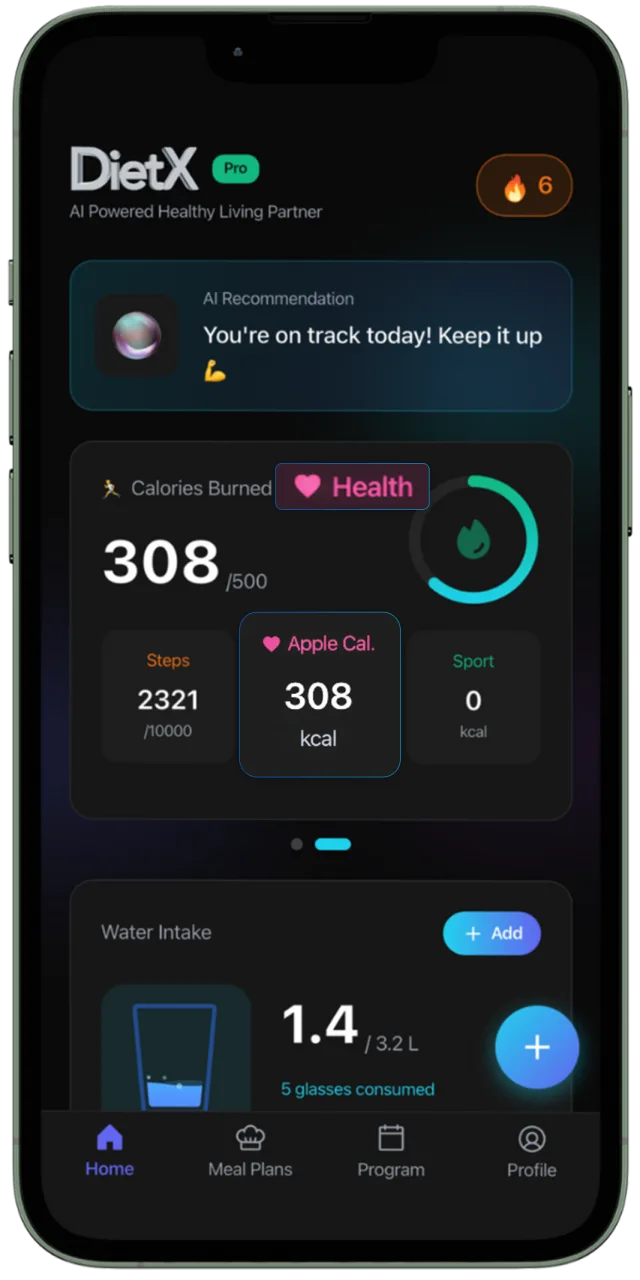
Having your hours and your food in one place shows you whether the window is helping you stay on target. DietX logs fasting alongside meals, so you can see both, and it sets a daily calorie target from your age, height, weight, activity level and goal. It's free to download with a free trial, and Premium is a subscription. A timer and any food log will also do the job.
Frequently asked questions
Do calories count when fasting?
Yes. In a 12-month study of 139 adults with obesity on the same calorie targets, adding an 8 am to 4 pm eating window didn’t make a significant difference: 8.0 kg lost versus 6.3 kg with calorie restriction alone. If your meals add up to more than you burn in a day, there’s no deficit, whatever your window.
Is 16:8 better than calorie counting?
The evidence here doesn’t show that. A 12-week trial of 116 adults found 16:8 no more effective than eating throughout the day. The better choice is whichever one you can keep up, and you can also combine them by counting calories inside your window.
Do you lose muscle with intermittent fasting?
It’s possible. In a 12-week trial of 116 adults, lean mass was lower in the 16:8 group. That is one study, so it isn’t proof for everyone, but it’s a reason to plan your protein and do strength work if you try fasting.
Who should not do intermittent fasting?
Skip it, or get medical advice first, if you have diabetes and take medication for it, are pregnant or breastfeeding, or have a history of an eating disorder. Under-18s and anyone with a medical condition should also talk to a professional first.
Sources
- Liu et al. (2022), N Engl J Med: Calorie restriction with or without time-restricted eating
- Lowe et al. (2020), JAMA Intern Med: The TREAT randomized trial of time-restricted eating
- NHS: Eating disorders
- Jäger et al. (2017), J Int Soc Sports Nutr: ISSN position stand on protein and exercise
- Leidy et al. (2015), Am J Clin Nutr: The role of protein in weight loss and maintenance
- USDA FoodData Central (SR Legacy)
- WHO: Physical activity
General information, not medical advice. Talk to a doctor or dietitian before changing your diet, especially if you are pregnant, under 18 or have a health condition. If tracking food makes you anxious or you have a history of disordered eating, please skip calorie counting and ask a professional for support.