How Much Protein in an Egg or Chicken Breast? Per Portion
By the DietX team · Updated · 6 min read
A large hard-boiled egg (50 g) has about 6.3 g of protein and 78 kcal, according to USDA data. Half a roasted chicken breast (86 g, cooked, no skin or bone) has about 26.7 g of protein and 142 kcal. This guide turns the usual per-100-g figures into the portions you actually eat, so you can answer "how much protein is in this?" without doing the sum each time.
How much protein is in an egg?
The USDA lists hard-boiled whole egg at 12.6 g of protein and 155 kcal per 100 g. A large egg weighs 50 g, so you halve those numbers:
| Eggs (large, hard-boiled) | Weight | Calories | Protein |
|---|---|---|---|
| 1 egg | 50 g | 78 kcal | 6.3 g |
| 2 eggs | 100 g | 155 kcal | 12.6 g |
| 3 eggs | 150 g | 233 kcal | 18.9 g |
| 4 eggs | 200 g | 310 kcal | 25.2 g |
Two things are worth knowing. First, an egg is a modest protein source per calorie: it also carries about 10.6 g of fat per 100 g, which is where much of its 155 kcal comes from. Second, eggs come in sizes, and a small one will land below these figures. If you want the exact number for the eggs in your fridge, weigh one without the shell and multiply.
Fried or scrambled eggs are a different case. The egg itself doesn't change much, but the butter or oil in the pan does. A tablespoon of olive oil is about 120 kcal that no egg table includes, so log the fat separately. Our guide to calorie counting mistakes covers cooking fat in more detail.
How much protein is in chicken breast?
Roasted chicken breast has 31.0 g of protein and 165 kcal per 100 g, from the same USDA source. The portion size is the part people get wrong, because a breast from the shop is much bigger than a serving. The USDA lists half a cooked breast, with bone and skin removed, at 86 g.
| Roasted chicken breast | Weight | Calories | Protein |
|---|---|---|---|
| Half a breast | 86 g | 142 kcal | 26.7 g |
| A small serving | 100 g | 165 kcal | 31.0 g |
| A large serving | 150 g | 248 kcal | 46.5 g |
| 1 cup, chopped or diced | 140 g | 231 kcal | 43.4 g |
Put side by side, half a chicken breast gives you about as much protein as four whole eggs: 26.7 g against 25.2 g, for 142 kcal against 310 kcal. That is the whole story of chicken's reputation in one line: a lot of protein for few calories.
Raw and cooked chicken don't weigh the same, because cooking drives out water. The values above are for cooked meat, so weigh it cooked, or use the raw entry when you weigh it raw. Mixing the two is an easy way to be off by a lot. The same trap shows up with rice, which is 365 kcal per 100 g raw and 130 kcal cooked.
Protein in other common foods
Here are the foods people most often look up, per 100 g and from the same USDA table. Per-100-g values are the safest to compare, because portions vary so much from person to person.
| Food, per 100 g | Calories | Protein |
|---|---|---|
| Chicken breast, roasted | 165 kcal | 31.0 g |
| Salmon, farmed Atlantic, cooked | 206 kcal | 22.1 g |
| Tofu, firm | 144 kcal | 17.3 g |
| Egg, hard-boiled | 155 kcal | 12.6 g |
| Cottage cheese, 2% | 81 kcal | 10.5 g |
| Greek yogurt, plain nonfat | 59 kcal | 10.2 g |
| Lentils, boiled | 116 kcal | 9.0 g |
| Broccoli, boiled | 35 kcal | 2.4 g |
| Avocado | 160 kcal | 2.0 g |
| Potato, boiled | 86 kcal | 1.7 g |
| Banana | 89 kcal | 1.1 g |
| Apple | 52 kcal | 0.3 g |
Fruit is a good example of why per-100-g numbers need a portion on top. A large banana (136 g) has about 121 kcal and 1.5 g of protein. A medium apple (182 g) has about 95 kcal and 0.5 g. Neither is a protein food, and nobody eats them for that, but the protein does add up across a day of mixed meals.
For a full ranking per 100 g and per 100 kcal, see high protein foods.
How much protein do you need from these foods?
Most adults don't need to chase a number food by food. The US Dietary Reference Intakes set the protein RDA at 0.8 g per kg of body weight a day, which is 56 g for a 70 kg adult. People who exercise regularly often aim higher, and our guide on how much protein per day has a table by body weight.
As a quick picture of what that looks like on a plate, three hard-boiled eggs (150 g) and 150 g of roasted chicken breast together give you:
- Protein: 18.9 g + 46.5 g = 65.4 g
- Calories: about 480 kcal
That is already above the 56 g in the example, from two foods. Most real days have protein in bread, dairy, grains and vegetables too, so you may reach your target with less meat than you'd think.
Higher-protein eating can help in short controlled trials, with more weight and fat loss and more lean mass kept, though long-term results depend on sticking with it and results vary. If you have kidney disease, are pregnant or have another medical condition, ask a doctor or dietitian before changing how much protein you eat.
How to get the number right when you log it
A few habits keep the figures honest:
- Weigh the food in the state the entry describes. Cooked chicken against a cooked entry, raw against raw.
- Take off what you don't eat. Eggshell, chicken skin and bone aren't part of the numbers above.
- Log the fat you add. Oil, butter and sauces are extra calories with no protein.
- Use a number you can repeat. "Two large eggs" is easy to log the same way every time, and a consistent habit beats a perfect one.
- Check the entry before you trust it. Food databases can hold several versions of one food, so match the cooking method.
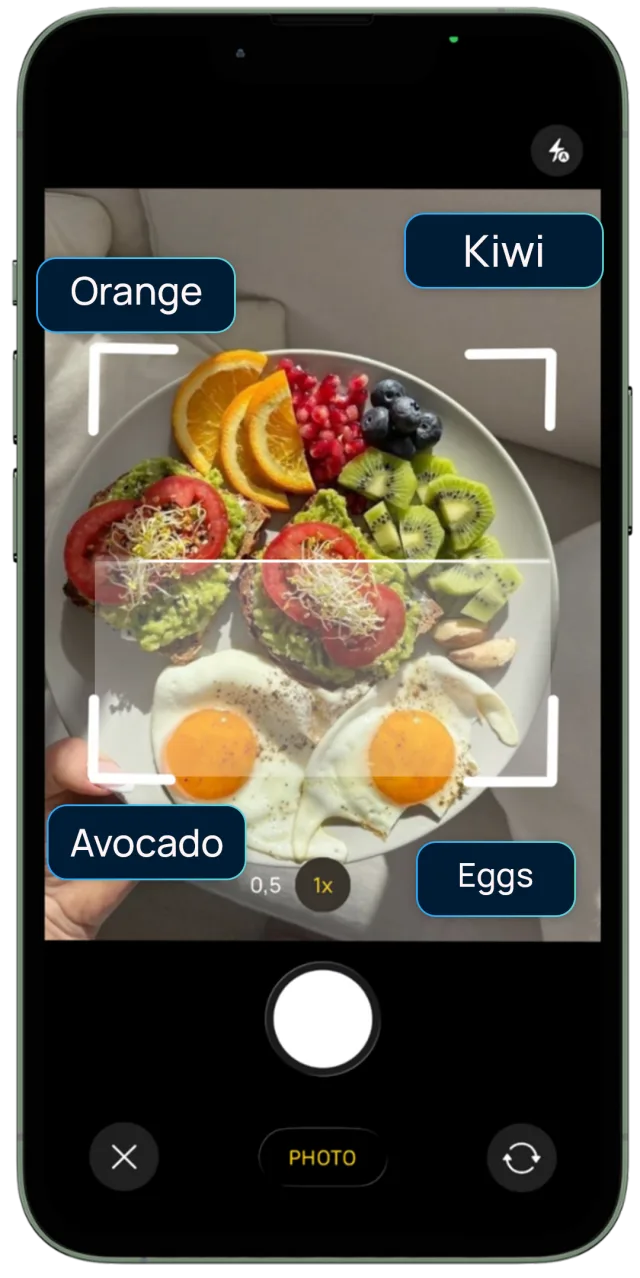
For mixed plates, a photo is easier than weighing every ingredient. Our guide to counting calories from a photo explains where it works and where to correct it.
Plant-based swaps for eggs and chicken
If you don't eat eggs or meat, firm tofu (17.3 g per 100 g) and lentils (9.0 g per 100 g) are the closest everyday matches in the table above. Because plant foods come with carbs and fiber too, portions and totals look different, and our guide to vegan and vegetarian calorie tracking builds a full day from them.
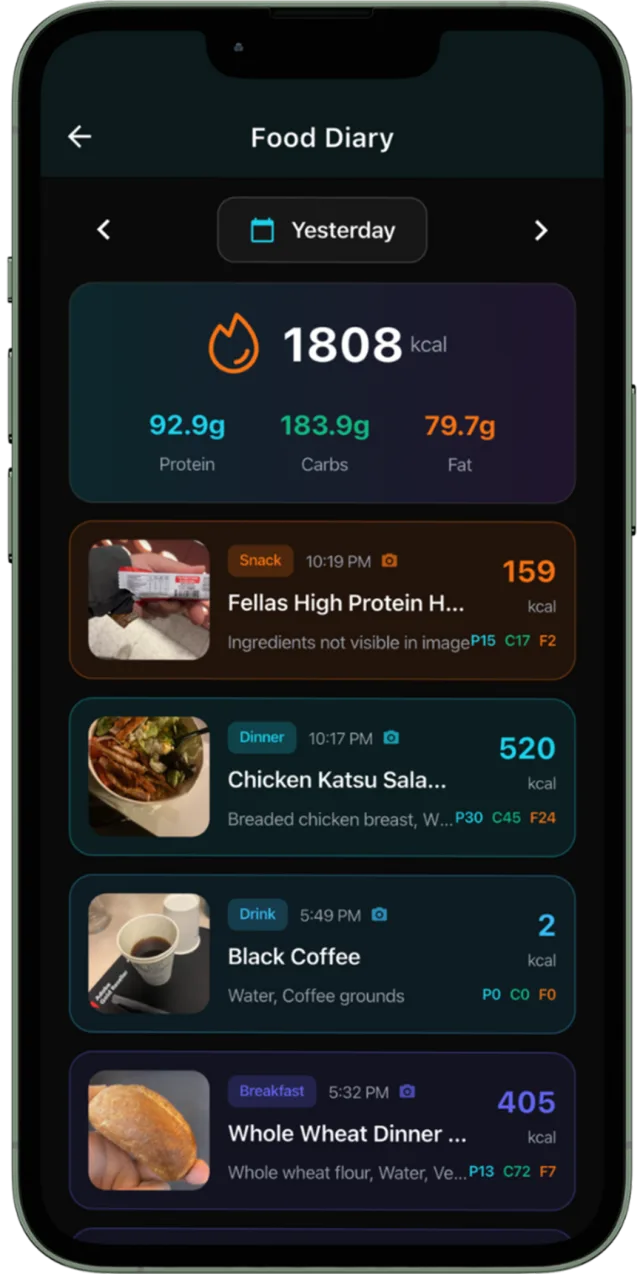
To see these numbers on your own meals, you can log them in DietX by photo, description, voice or barcode. It estimates calories, protein, carbs and fat, and you can edit any item before you save it. It's free to download with a free trial, and Premium is a subscription. Estimates may vary, so use them as a guide and not as lab values.
Frequently asked questions
How much protein is in one egg?
A large hard-boiled egg (50 g) has about 6.3 g of protein and 78 kcal, based on USDA values of 12.6 g protein and 155 kcal per 100 g. Smaller eggs have a little less.
How much protein is in a chicken breast?
Roasted chicken breast has 31.0 g of protein per 100 g. Half a breast without skin or bone (86 g, cooked) has about 26.7 g of protein and 142 kcal, according to USDA data.
How many eggs equal 25 g of protein?
About four large hard-boiled eggs, which is 200 g, 25.2 g of protein and about 310 kcal. Roasted chicken breast gives the same protein in about 81 g and 133 kcal.
Is the protein value for raw or cooked chicken?
The figures here are for cooked, roasted chicken. Cooking removes water, so raw chicken has less protein per 100 g. Weigh your food in the same state as the entry you log it under.
How much protein is in a banana?
A banana has 1.1 g of protein per 100 g. A large one (136 g) has about 1.5 g and 121 kcal. It is not a protein food, but it adds a little to your daily total.
Sources
- USDA FoodData Central (SR Legacy)
- National Academies: Dietary Reference Intakes for energy and macronutrients
- Leidy et al. (2015), Am J Clin Nutr: The role of protein in weight loss and maintenance
General information, not medical advice. Talk to a doctor or dietitian before changing your diet, especially if you are pregnant, under 18 or have a health condition. If tracking food makes you anxious or you have a history of disordered eating, please skip calorie counting and ask a professional for support.